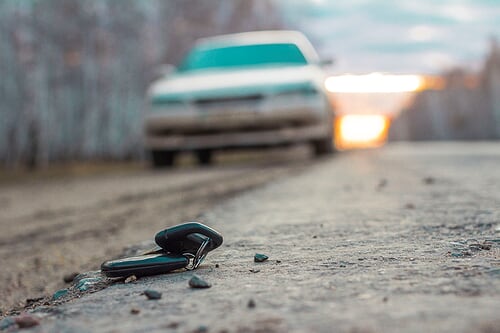
Your vehicle’s safety and smooth operation depend on the quality of auto locksmith repair. It will provide you with peace of mind knowing that your car is always secure and not vulnerable to theft attempts.
Auto locksmith repairs can directly affect your car’s value, making it even more crucial to hire the right locksmith. Because of their experience and expertise, automotive locksmiths are often the best option for car door lock repairs.
The best option for auto locksmith repairs is to call a trusted professional. The person you hire should be knowledgeable and able to solve any problem you may have at an affordable price. Answers to the most frequently asked questions are provided in this article:
What causes a car door lock to break?
There are many potential reasons why a car lock might break. It could be due to an issue with the door panelling, part of the door lock mechanism, or a broken car door handle. Sometimes, the problem may be too great, and the only solution is to replace the entire car door.
It can be difficult to determine the real problem without professional assistance. A locksmith would assess the situation before performing any repair. The experience of locksmiths allows them to locate the problem quickly.
A broken door lock can be a real problem when you’re driving your car. It’s not only an inconvenience; it might even put you at risk. The safest way to drive is to lock all the doors, but if one or more of your door locks is broken, this could pose a problem.
What causes a car door lock to break? Here are some of the most common causes:
A car accident. If your car was in an accident, it could have damaged some parts. One such part is the door lock system. If any part of this system is damaged due to the crash, there’s a chance that it will no longer work properly. This could make one or more of your doors hard to open or close.
The weather. Extreme weather conditions can also cause damage to your car’s door locks. For example, if there’s been heavy rain or snowfall recently and it hasn’t yet melted away from your vehicle’s exterior, there’s a good chance that water may have gotten inside. When this happens, corrosion may form on some of the internal components of your door lock system — including key cylinders and gear mechanisms — which can make them less effective at performing their functions properly when needed during normal driving conditions.
What should I do if my car door won’t close?
Many problems requiring car door lock repair don’t have a definitive solution. It may be a simple matter of a broken latch on the car door. Often, it’s just a matter of replacing a part or two or lubricating the latch.
There is also the possibility that your car door latch is stuck in the lock position. You can try to open the door from both sides on your own through the physical key, remote, and interior locks. If this doesn’t work, you might need to change the lock assembly from the door.
A door that won’t close properly can be frustrating, especially if you’ve just bought a new car. If the problem is with your car’s door, there are a few things you can try to fix yourself.
Check for obstructions
If you’ve left something in the door that won’t close, check under the mat or in the pockets of any gear you’ve left in the car. The same goes for any stray items that may have been left on the seat or floor of your car.
Check the latch
The latch is what holds the door closed when it’s closed properly. If this isn’t working properly, you must replace it. There are two main types of latches: manual and electric. Electric latches have a motor inside them that draws them shut when they receive an electrical signal from another part of your car’s circuitry.
Manual latches are controlled by hand, and springs push them to shut automatically when released from their open position. Both types can be replaced by removing screws around each door panel’s edge (where they meet at 90 degrees) and removing those panels from their frame with a screwdriver or other tool before disconnecting any wires connected to them.
Why is my car door not latching?
There are many reasons why your car door might not be latching. The most common reason is that your car door latch has broken, but there are other reasons to consider.
Car Door Latch Broken
Door latches hold the doors in place when you shut them. When these latches break, they can cause several problems. A broken latch will not properly secure the door and could allow it to fly open while driving or even fall off when you open it. If your door does not latch tightly and securely, you may also notice that it rattles when you drive over bumps or potholes in the road.
Car Door Latch Mechanism
The door latch mechanism consists of several parts that work together to ensure that your doors stay securely when shut. The main component of this system is the latch itself, which is often made out of metal or plastic and is attached to the inside of your vehicle’s body panel by a metal rod called a striker plate. When you close the door, it pushes down on the striker plate to move into place over the top of its corresponding hole in the body panel and locks itself into place.
If you’re having trouble with your car door locks, there are a few potential solutions. The issue could be a broken car door latch, which is often an easy fix. You may need to replace one or two parts or lubricate the latch.
Another possibility is that the car door latch is stuck in the lock position. You can try opening the door from both sides using the physical key, remote control, and interior locks. If this doesn’t work, you’ll need access to the lock assembly inside the door panel. You need to use a tool that can slip inside the door without removing any panels, so it’s not a simple task that novices should perform. Contact us today if you need an Auto Locksmith in Stockton or the surrounding areas.